Hola amigos de nortonteatro.blog. Yo soy Nortan palacio, conocido artísticamente y en la Nueva España, como Norton P.
Hello friends of nortonteatro.blog. I am Nortan palacio, known artistically and in the New Spain, as Norton P.
Viernes 9 de febrero 2024.
ENGLISH VERSION: BELOW SPANISH VERSION
ANÉCDOTA 97
LOS DRAMATURGOS SEGUNDONES EN EL SIGLO DE ORO ESPAÑOL:
LUIS BELMONTE BERMÚDEZ
Para ir rematando esta serie de anécdotas sobre los dramaturgos segundones (mira, querido lector, que llevamos quince anécdotas, en las que hemos tratado a nueve autores: Guillén de Castro, Andrés de Claramonte, Agustín Moreto, Antonio de Solís, Luis Vélez de Guevara, Antonio Mira de Amezcua, Juan Pérez de Montalbán, Álvaro Cubillo de Aragón y Jerónimo de Cáncer; que se dicen pronto) Voy a culminar con Luis Belmonte Bermúdez, y digo que voy a culminar porque después de las anécdotas de Belmonte Bermúdez te voy presentar a Francisco de Rojas Zorrilla, aunque a este último no voy a consentir que se le vuelva a llamar segundón y cuando lo tratemos, dentro de dos anécdotas, entenderás, querido lector, el porqué de mi negativa.
Pero vamos con el que hoy nos interesa. Los datos sobre el nacimiento y muerte de Luis Belmonte Bermúdez, para variar, no son precisos su nacimiento en Sevilla se encuadra entre 1580 y 1590 aunque se sabe que fue en Sevilla porque así lo dejó escrito Mateo Alemán[1]. Tampoco se conoce su formación pero debió haber tenido buenos estudios puesto que sus obras y el tipo de trabajos que realizó así lo demuestran.
Muy joven se embarcó para las Américas llegando a Nueva España (Ciudad de México) y después a Perú, donde se cree que vivían algunos familiares suyos. Su gusto por las aventuras lo llevó a solicitar alistarse en la una expedición que estaba organizando el militar Pedro Fernández de Quirós para explorar las regiones australes. El 21 de diciembre de 1605 partió la expedición desde el puerto peruano del Callao y Belmonte Bermúdez embarcó con los cargos de secretario del General Fernández de Quirós y como cronista de la expedición. Expedición que acabó en Acapulco el 23 de noviembre de 1606. Los datos tan precisos de fechas así como de los descubrimientos, penurias y fiestas de los navegantes nos los dejó Belmonte Bermúdez en su crónica: Historia de los descubrimientos de las regiones Austriales hecho por el general Pedro Fernández de Quirós.
Después de esto regresó a Nueva España y fue entonces cuando decidió escribir comedias, pero no debió irle bien puesto se quejaba de que en el Nuevo Mundo las comedias no tuvieran la acogida que en España. Así que se dedicó a escribir algunos poemas. Uno de ellos: Vida del Padre Maestro Ignacio de Loyola, fundador de la Compañía de Jesús. Dirigida a sus religiosos de la provincia de la Nueva España. Cuyo larguísimo título ya anunciaba lo que podría ser, puesto que estaba dividido en diez libros. El poema debió llevarle mucho tiempo y esfuerzo y quizá por esto dejó las comedias apartadas.
De vuelta a Sevilla, por 1615, publicó otro poema La Aurora de Cristo, de temática religiosa, editado en 1616 y en su Prologo al lector se quejaba otra vez de la acogida de las comedias: «Estoy enfadado de comedias porque como tú, lector, has visto parecen bien las de todo punto desatinadas» imaginamos que las de él, al principio de temática religiosa, no seguían la formula instaurada por Lope por lo que parece estar criticando al creador de la Comedia Nueva en España.
Sin embargo en 1619 se trasladó a Madrid y lo primero que hizo fue hacerse parte del circulo de Lope de Vega y empezó a seguir su fórmula. A Lope parece que le cayó bien (no debió pensar que esas críticas pudiesen estar dirigidas contra él) puesto que elogia a Nuestro Belmonte Bermúdez en su poema La Filomena. Y además lo llamó a colaborar en el grupo de poetas que harían los versos laudatorios para la canonización de San Isidro y que el ayuntamiento de Madrid había encargado a Lope.
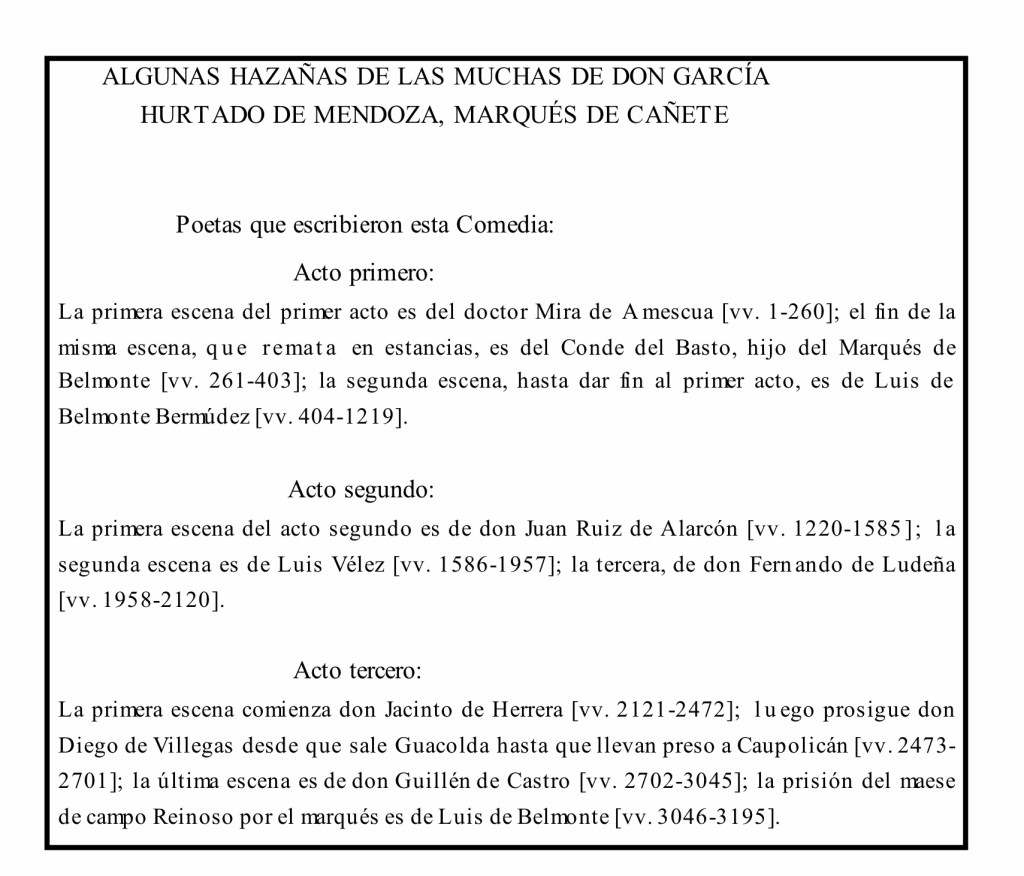
Desde entonces dejó la poesía y se dedicó por entero al teatro. En 1622 lo encontramos en una nómina de dramaturgos (diez autores[2]) que escribieron una comedia intitulada: Algunas hazañas de las muchas de Don García Hurtado de Mendoza, Marqués de Cañete. Que se representó en el Palacio Real. Y aunque debió escribir poco, porque entre diez poco escribiría, a partir de aquí empezó parece que empezó su fama como dramaturgo. Fama que se consolidó en las décadas de 1630 y 1640.
A la muerte de Lope de Vega en 1635, Belmonte participó en un homenaje que le rindieron varios poetas y que editó Juan Pérez de Montalbán[3].
Al quedar descabezado el grupo de Lope, Belmonte Bermúdez, como muchos otros se pasó al bando cercano a Calderón de la Barca, por lo que se hizo miembro de la Academia de Buen retiro y de la Academia Madrileña, lo sabemos por el Vejamen que escribió Jerónimo de Cáncer retratando a los poetas de dicha Academia y del que hablamos en la anécdota anterior. Sin embargo en su estilo, lo veremos con más detenimiento en la próxima anécdota, Belmonte no dejó de seguir a Lope de Vega.
En ese momento sus obras se representaban con asiduidad en el Palacio Real de Madrid y en los Corrales de Comedias tanto de Madrid como de Sevilla, ciudad en la que siguió teniendo casa y conviviendo.
De su vida privada apenas se sabe nada, ni si se casó ni si tuvo hijos. De hecho tampoco se sabe si murió en Madrid o en Sevilla, porque como te dije, vivía entre las dos ciudades y no se sabe siquiera el año en que murió. La Real Academia de la Historia baraja que debió de ser entre los últimos años de la década de 1640 o los primeros de 1650.
A la espera de que se produzcan nuevos datos de su biografía, te emplazo, querido lector, para que conozcas su estilo y su trabajo teatral en la próxima anécdota.
[1] El autor del Guzmán de Alfarache escribió un «elogio» introductorio de un largo poema de Belmonte Bermúdez. De ahí que conozcamos ese dato
[2] Antonio Mira de Amezcua, Francisco de Tapia y Leyva, Juan Ruiz de Alarcón, Luis Vélez de Guevara, Fernando de Ludeña, Jacinto de herrera y Sotomayor, Diego de Villegas, Guillén de castro y nuestro Belmonte Bermúdez. Como apreciarás, muchos de ellos han sido tratados en este blog.
[3] Justo después de editar este homenaje a Lope de Vega, Pérez de Montalbán también murió (1637) y a este también se le rindió el consabido homenaje, esta vez recogido y editado por Pedro Grande de Tena y en el que Belmonte Bermúdez también participó. Mira la anécdota 92 de este blog.
ANECDOTE 97
SECONDED PLAYWRIGHTS IN THE SPANISH GOLDEN AGE:
LUIS BELMONTE BERMÚDEZ
To round off this series of anecdotes about the seconded playwrights (look, dear reader, we have fifteen anecdotes, in which we have dealt with nine authors: Guillén de Castro, Andrés de Claramonte, Agustín Moreto, Antonio de Solís, Luis Vélez de Guevara, Antonio Mira de Amezcua, Juan Pérez de Montalbán, Álvaro Cubillo de Aragónand Jeronimo de Cáncer; wich is amazing); I’m going to finish with Luis Belmonte Bermúdez, and I say that I’m going to culminate because after the anecdotes of Belmonte Bermúdez I’m going to introduce you to Francisco de Rojas Zorrilla, although I’m not going to allow that this latter playwright to be called seconded again, and when we talk to him, In two anecdotes, you will understand, dear reader, the reason for my refusal.
But let us go with the one we’re interested in today. The data on the birth and death of Luis Belmonte Bermúdez, as usual, are not precise: his birth in Seville is between 1580 and 1590, although it is known that it was in Seville because Mateo Alemán wrote it that way[1]. His training is not known either, but he must have had good studies since his works and the type of work he did prove it.
Being young, he embarked for the Americas, arriving in New Spain (Mexico City) and then in Peru, where it is believed that some of his relatives lived. His taste for adventure led him to request to enlist in an expedition that was being organized by the military Pedro Fernández de Quirós to explore the southern regions. On December 21, 1605, the expedition departed from the Peruvian port of Callao and Belmonte Bermúdez embarked as secretary to General Fernández de Quirós and as chronicler of the expedition. The expedition ended in Acapulco on November 23, 1606. Belmonte Bermúdez left us such precise data on dates as well as on the discoveries, hardships, and festivities of the navigators in his chronicle: History of the Discoveries of the Austrian Regions made by General Pedro Fernández de Quirós.
After this he returned to New Spain and it was then that he decided to write comedies, but it must not have gone well for him, since he complained that in the New World comedies did not have the reception that they did in Spain. So, he set about writing some poems. One of them: Life of Father Master Ignatius of Loyola, founder of the Society of Jesus. Addressed to the religious of the province of New Spain. The very long title already announced what it could be, since the poem was divided into ten books. The poem must have taken him too much time and effort, and perhaps for this reason he left the comedies aside.
On his return to Seville, around 1615, he published another poem, La Aurora de Cristo, on a religious theme, published in 1616 and in his Prologue to the reader he again complained about the reception of comedies: «I am angry about comedies because as you, reader, have seen those that are all about nonsense» we imagine that his own poems seem good. at the beginning of the religious theme, they did not follow the formula established by Lope, so he seems to be criticizing the creator of the New Comedy in Spain.
However, in 1619 he moved to Madrid and the first thing he did was to become part of Lope de Vega’s circle and began to follow his formula. Lope seems to have liked him (he must not have thought that these criticisms could be directed against him) since he praises Nuestro Belmonte Bermúdez in his poem La Filomena. And he also called him to collaborate in the group of poets who would write the laudatory verses for the canonization of San Isidro and that the city council of Madrid had commissioned from Lope.
From then on, he gave up poetry and devoted himself entirely to the theatre. In 1622 we find him in a list of playwrights (ten authors[2]) who wrote a comedy entitled: Algunas hazañas de las muchas de Don García Hurtado de Mendoza, Marqués de Cañete (Some feats of the many of Don García Hurtado de Mendoza, Marquis of Cañete). It was performed at the Royal Palace. And although he must have written little, because he would write little in a play wrote by ten, from here he began his fame as a playwright. Fame that was consolidated in the 1630s and 1640s.

On the death of Lope de Vega in 1635, Belmonte participated in a tribute given to him by several poets and edited by Juan Pérez de Montalbán[3].
When Lope’s group was decapitated, Belmonte Bermúdez, like many others, went over to the side close to Calderón de la Barca, so he became a member of the Academy of Buen Retiro, and the Madrid Academy, we know this from the Vejamen that Jerónimo de Cáncer wrote portraying the poets of that Academy and of which we spoke in the previous anecdote. However, in his style, we will see it in more detail in the next anecdote, Belmonte did not stop following Lope de Vega.
At that time, his plays were regularly performed in the Royal Palace of Madrid and in the Corrales de Comedias in both cities Madrid and Seville, the city in which he continued having a home and lived temporarily.
Hardly anything is known about his private life, neither whether he married nor whether he had children. In fact, it is not known whether he died in Madrid or Seville, because as I told you, he lived between the two cities, and we don’t even know the year he died. The Royal Academy of History estimates that it must have been between the late 1640s and early 1650s.
While waiting for added information on his biography to be produced, I call on you, dear reader, to get to know his style and his theatrical work in the next anecdote.
[1] The author of Guzmán de Alfarache wrote an introductory «eulogy» to a long poem by Belmonte Bermúdez. That’s why we know that data
[2] Antonio Mira de Amezcua, Francisco de Tapia y Leyva, Juan Ruiz de Alarcón, Luis Vélez de Guevara, Fernando de Ludeña, Jacinto de Herrera y Sotomayor, Diego de Villegas, Guillén de Castro and our own Belmonte Bermúdez. As you will appreciate, many of them have been covered in this blog.
[3] Just after publishing this tribute to Lope de Vega, Pérez de Montalbán also died (1637), and he also received the well-known tribute, this time collected and edited by Pedro Grande de Tena and in which Belmonte Bermúdez also participated. See anecdote 92 of this blog.
 Norton Teatro
ENRIQUECEDOR, SIN ESTOS «SEGUNDONES» NO HUBIERA HABIDO SIGLO DE ORO
Me gustaMe gusta