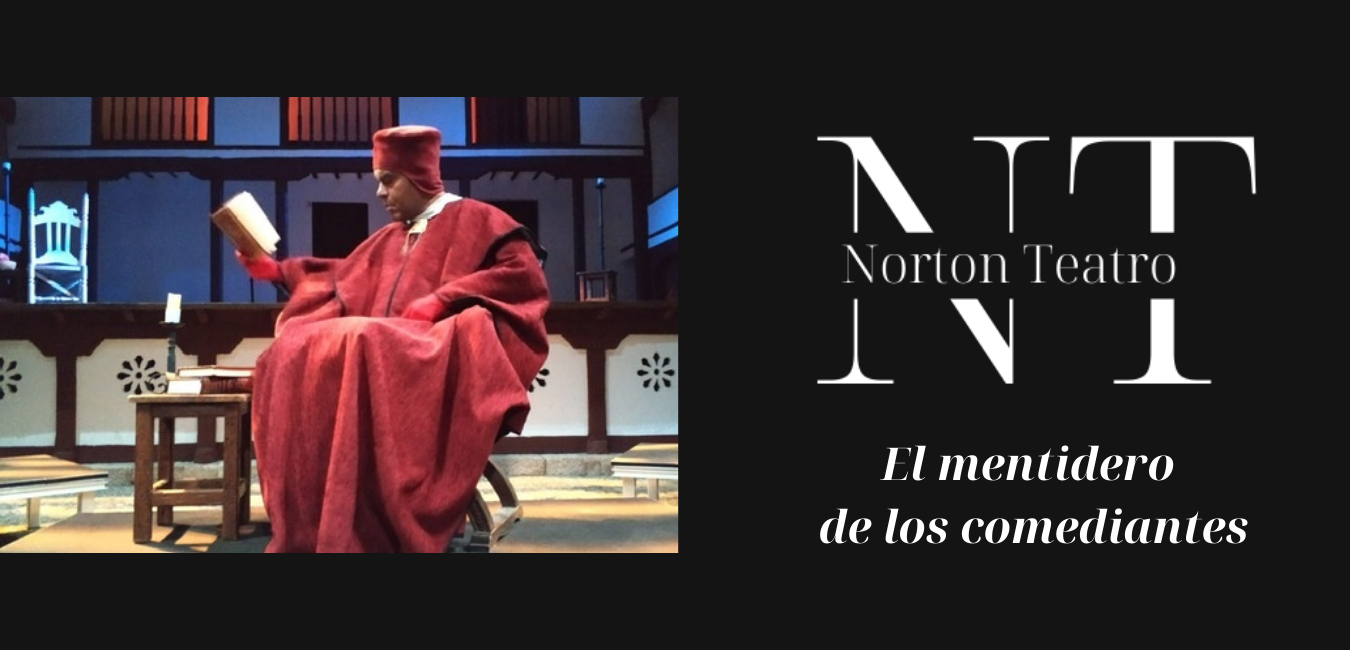
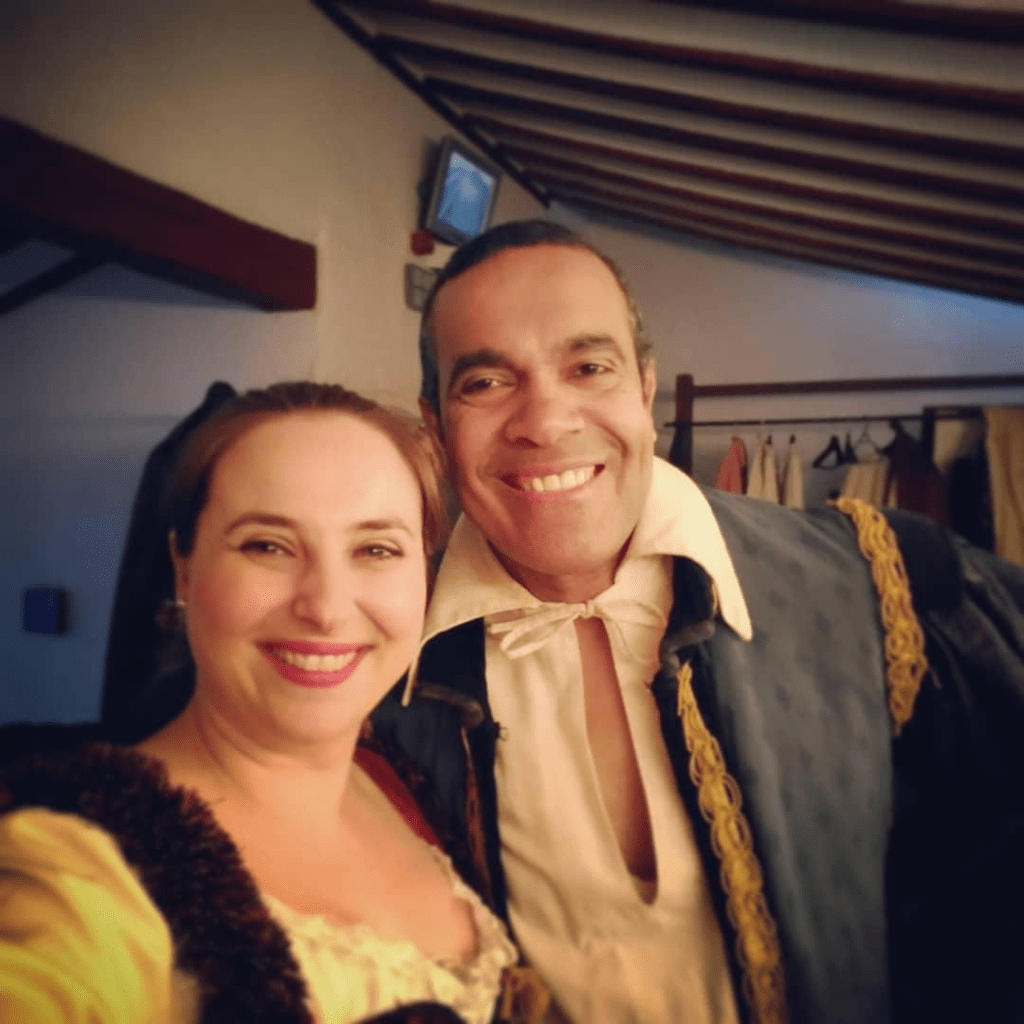
Hola amigos de nortonteatro.blog. Yo soy Nortan Palacio, conocido artísticamente y en el Palacio del Obispo de Lieja, como Norton P.
Hello friends of nortonteatro.blog. I am Nortan palació, known artistically and in the Bishop Palace in Lieja, como Norton P.
Viernes 11 de junio 2023
ENGLISH VERSION: SEE BELOW THE SPANISH VERSION
ANÉCDOTA 80
EL MENTIDERO DE LOS COMEDIANTES: EL DÍA DEL CORPUS CHRISTI. CELEBRACIÓN CLAVE EN EL DESARROLLO DEL TEATRO DEL SIGLO DE ORO ESPAÑOL. ¿POR QUÉ?
Existen varias razones por las que la celebración del día del Corpus en España se convirtió en una fecha fundamental para que el Teatro Español del Siglo de Oro alcanzara parte del esplendor que alcanzó en aquella centuria y en el Mentidero de los Comediantes las vamos a contar. Pero antes haremos un recorrido histórico para saber cómo fue que una fiesta que ni siquiera había nacido en España, era esperada como agua de mayo entre los Teatreros españoles de aquella época dorada.
La fiesta empezó a celebrarse (no oficialmente) en 1208 en un convento de Lieja, ya que una monja llamada Juliana de Cornillón ‒que después llegó a priora e incluso a Santa, con el nombre de Santa Juliana de Lieja‒ tuvo varias visiones en las que Dios le pedía que se comprometiera a celebrar una fiesta litúrgica para que los creyentes pudiesen adorar la Eucaristía y así aumentaran su fe y repararan las ofensas al Santísimo Sacramento.
Esto era una dura tarea para una simple monja, puesto que nadie creía en sus visiones ni querían institucionalizar una nueva fiesta religiosa que originaría costes y más días de trabajo a las parroquias de Lieja. Pero, según se dice, Dios sabe a quién se le aparece y el tesón que tenía la monjita era su principal arma en esto de ser portadora de mensajes divinos.
La joven Juliana tuvo que insistir durante casi cuarenta años, sin darse nunca por vencida, para que alguien importante en el clero le creyera. Así, en 1246, quién le creyó fue Roberto de Thourotte, nada menos que el Obispo de Lieja quien ordenó que a partir del año siguiente se celebrara la fiesta del Corpus Christi, eligiendo para su celebración el jueves siguiente a la octava de Pentecostés[1].
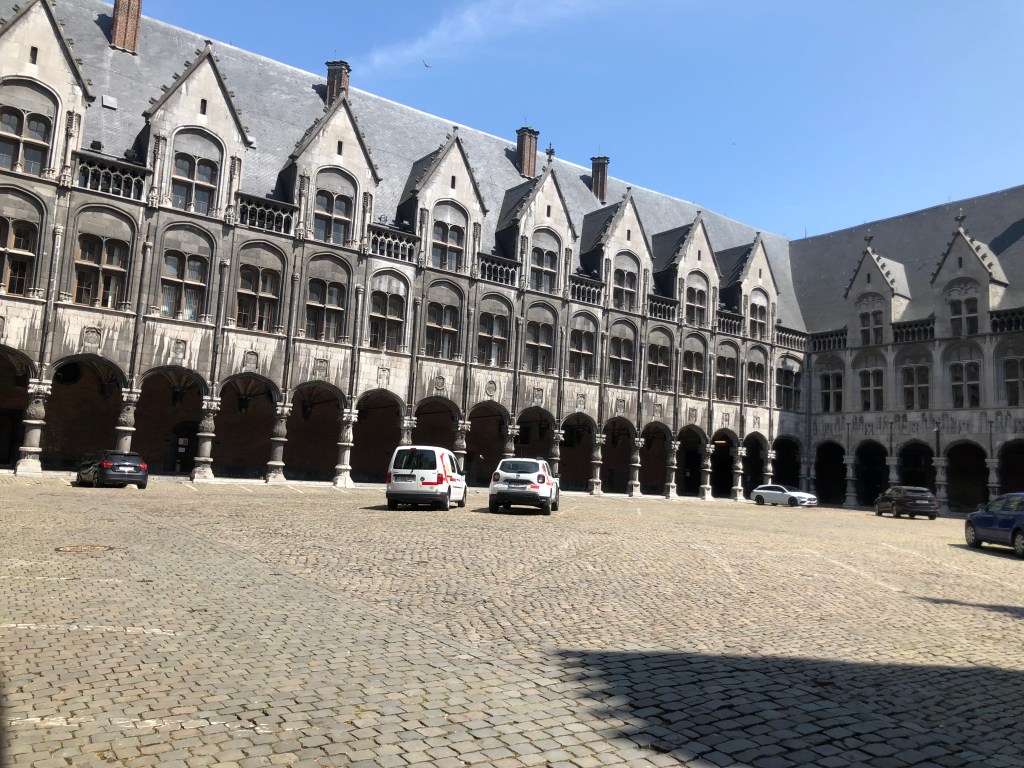
En principio tuvo poco recorrido fuera de las parroquias liejanas, pero unos años después el cardenal francés Hugo de San Caro celebró la festividad en San Martín del Monte y ordenó a todos sus obispos que celebrasen la fiesta en sus diócesis, un buen espaldarazo, que se vio aumentado porque en 1263, en una localidad italiana llamada Bolsena, en la misa de la todavía poco conocida celebración el cura que celebraba, incrédulo con aquello de que Dios estuviera en una Hostia tan pequeña, recibió su merecido: cuando elevó los brazos y rompió la Hostia consagrada delante de los feligreses Dios hizo brotar su sangre de ella. Así se cuenta.
Este hecho se celebró y se difundió por la Europa cristiana ávida de milagros y por eso llegó a los oídos del entonces papa Urbano IV, quién, casualidades de la vida, cuando todavía se llamaba Santiago Pantaleón de Troyes había sido archidiácono en Lieja y había conocido a aquella monja tan tenaz (Santiago Pantaleón quizá diría cansina) que pedía institucionalizar una fiesta para celebrar el Corpus Christi.
Urbano IV hizo traer la Hostia que había sangrado hasta Orvieto, que en ese tiempo era la sede papal, y la expuso en la catedral (allí todavía hoy se puede ver). Luego le pidió al teólogo y gran literato, santo Tomás de Aquino, que entonces lo asesoraba, que compusiera los textos litúrgicos de la fiesta. Y el Santo de Aquino hizo un trabajo tal que, según los conocedores, en ese texto se unen teología y poesía (¿ya nos vamos acercando al teatro?) y la fiesta se hizo carne, queremos decir que se extendió.
Sin embargo, después de la muerte de Urbano IV la celebración volvió a reducirse y solo se celebraba en algunas regiones de Francia, Alemania, Hungría y el norte de Italia. Fijémonos que ni siquiera en España. Aunque no, la fiesta no estaba muerta; en el concilio de Vienne de 1311 Clemente V emitió unas normas para la celebración, que incluían la regulación de un cortejo procesional en el interior de las iglesias y señalaba dónde debían sentarse las autoridades ese día. Ya la celebración tomaba visos de representación.
En 1317, otro papa: Juan XXII introdujo una octava con la Exposición del Santísimo Sacramento y restableció la fiesta para toda la iglesia católica. Pero la recuperación final le vino de la mano del papa Nicolás V que en la festividad del Corpus de 1447 hizo salir en procesión la Hostia Santa por las calles de Roma.
Sin embargo, algo más tarde, empezaron a surgir diferencias entre las diferentes escuelas teológicas cristianas, especialmente desde la Reforma Protestante que rechazaba varias cuestiones que había ido añadiendo el Catolicismo a la práctica de la fe: como las indulgencias, la venta de bulas, la veneración de la Virgen María pero sobre todo la presencia real de Cristo en la Hostia.
Entonces se convocó el más famoso, y más largo, de los Concilios: el Concilio de Trento que, entre suspensiones y reanudaciones, se celebró entre 1545 y 1563 y que vio pasar a tres papas: Paulo III, Julio II y Pío IV. De los acuerdos del inacabable concilio nació el término: «Contrarreforma» frente a los protestantes. Los países que hicieron de la Contrarreforma su bandera fueron Italia, Portugal y, por encima de ellos España. Que, defendiendo la presencia de Cristo en la Hostia, hizo de la fiesta del Corpus Christi la mayor campaña contrarreformista jamás emprendida.
Los religiosos empezaron a pensar en que una buena manera de expandir entre la población los principios teologales y sacramentales salidos de Trento era mediante la enseñanza por medio del teatro; ya que el Teatro era en aquella España el producto de consumo más popular y que entusiasmaba y aunaba a casi todos los estamentos sociales, políticos y artísticos (aunque, contradicciones de la vida, no propiamente a los religiosos). Y así se produce el advenimiento de los Autos Sacramentales a la Fiesta del Corpus que fue un fenómeno teatral rarísimo muy y mucho español.
Pero esto solo es la punta del iceberg, en cuanto a la importancia que esta fecha adquirió para el desarrollo del Teatro del Siglo de Oro, ya que, aunque tenía un día de duración, lo llenaba todo en cuanto al funcionamiento de este arte durante todo el año, cosa extraña. Pero, querido lector, de momento no quiero cansarte más, así que el resto de esta curiosa historia lo desenmarañaremos en la próxima anécdota
[1] Es decir, el jueves posterior a la celebración de la Santísima Trinidad, que se celebra el domingo siguiente a Pentecostés, o sea, y esto es información teológica-matemática, 60 días después del domingo de Pentecostés. Y como información teológico-matemática- lunar: añadimos que el Corpus Christi se celebra el jueves que sigue al noveno domingo después de la primera luna llena en el hemisferio norte. Quien quiera que saque las cuentas.
ANECDOTE 80
EL MENTIDERO DE LOS COMEDIANTES: CORPUS CHRISTI DAY. KEY CELEBRATION IN THE DEVELOPMENT OF THE SPANISH GOLDEN AGE THEATER. WHY?
There are several reasons why the celebration of Corpus Christi Day in Spain became a vital day for the Spanish Theatre of the Golden Age to reach part of the splendour that it attained in that century and, in the Mentidero de los Comediantes I am going to explain why. But first I will make a historical tour to understand why a celebration that had not even originated in Spain, was like a Godsent for the Spanish Theatrical People of that special time.
The holy day began to be celebrated (unofficially) in 1208 in a convent in Liège (Belgium), since a nun named Juliana de Cornillon – who later became prioress and even saint, under the name of Saint Juliana of Liège – had several visions in which God asked her to commit herself to celebrating a liturgical holy day so that believers could adore the Eucharist and thus deepen their faith and make-up for offenses against the Holy Sacrament.
This was a hard task for a simple nun, since no one believed in her revelations, nor did they want to institutionalize a new religious celebration that would incur costs and more days of work for the parishes of Liège. But it is said, God knows to whom He appears and the tenacity that the nun had was her main weapon in being the carrier of divine messages.
The young Juliana had to insist for almost forty years, never giving up, before someone important in the clergy would believe her. Only in 1246, it was Robert of Thourotte, none other than the Bishop of Liège, who believed her. He ordered that from the following year the holy day of Corpus Christi had to be celebrated, choosing the Thursday following the octave of Pentecost[1] for its day.
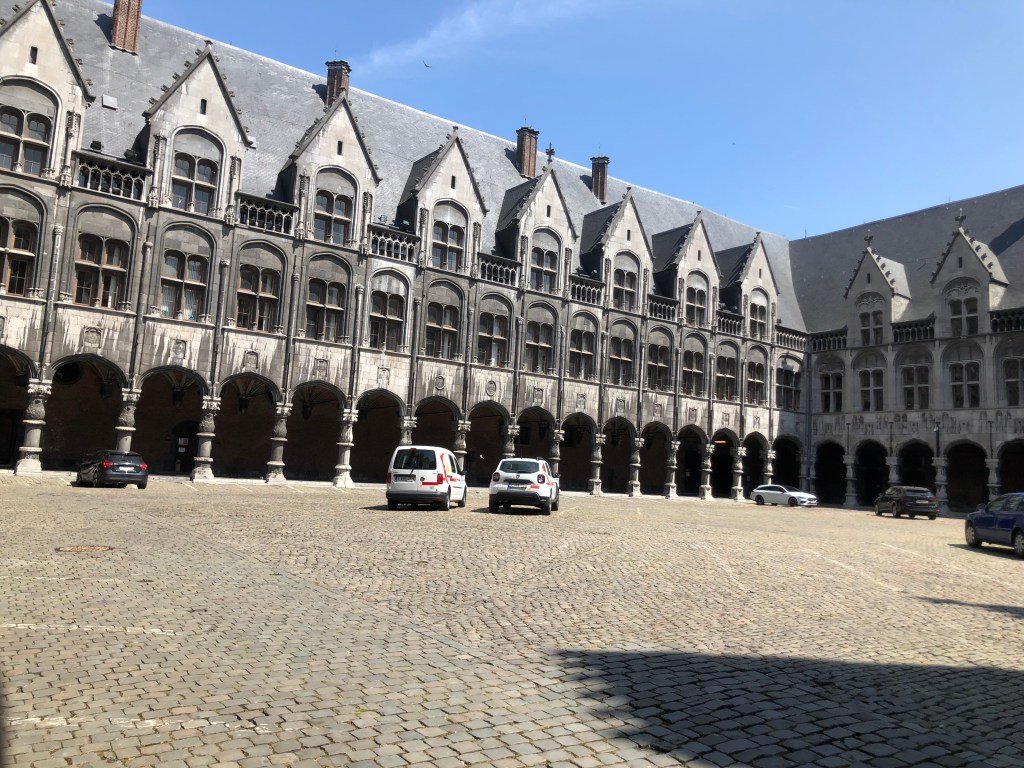
At first it didn´t spread much outside the parishes Liège, but a few years later the French Cardinal Hugo de San Caro celebrated the holy day in San Martín del Monte and he ordered all his bishops to celebrate the holy day in their dioceses. This was a great tribute, which was even heightened because in 1263, in an Italian town called Bolsena, during the mass of the still little-known celebration, the priest who led the mass, and who was still sceptical about God residing in such a small Host, received his due: when he raised his arms and broke the consecrated Host in front of the parishioners God made his blood flow from it. At least, that’s how the story goes.
This fact was celebrated and spread throughout Christian Europe which was eager for miracles, and that is why the story reached the ears of the Pope of that time, Urban IV, who, incredible coincidences of life, when his name was still Santiago Pantaleón de Troyes, had been archdeacon in Liège and had met our persistent nun (Santiago Pantaleón would perhaps call her pushy) who asked to institutionalize a holy day to celebrate the Corpus Christi.
Urban IV had the Host that had bled brought to Orvieto, which at that time was the papal seat, and exhibited it in the cathedral (it can still be seen there now). He then asked the theologian and great writer, St. Thomas Aquinas, who was his advisor, to compose the liturgical texts of this holy day. The Saint of Aquinas did such a great job that, according to connoisseurs, in that text theology and poetry are united (are we already approaching the theatre?) and the celebration became flesh, I mean that it was spreading.
However, after the death of Urban IV the celebration was again reduced and was only celebrated in some regions of France, Germany, Hungary, and in northern Italy. Notice: not at all in Spain. But no, the holy day wasn’t dead. At the Council of Vienne in 1311, Clement V issued rules for the celebration, which included the rules for a processional cortege inside the churches and indicated where the authorities should sit that day. Already the celebration took on the appearance of performance.
In 1317, another pope: John XXII introduced an octave with the Exposition of the Blessed Sacrament and introduced the holy day for the entire Catholic Church. But in 1447the final revitalisation came from the hand of Pope Nicholas V, who on the day of Corpus Christi made the Holy Host go out in procession through the streets of Rome.
However, somewhat later, differences began to emerge between the different Christian theological schools, especially since the Protestant Reformation that rejected several issues that Catholicism had been adding to the practice of the faith: such as absolutions, the sale of letters of indulgence, the worship of the Virgin Mary but above all the real presence of Christ in the Host.
Then the most famous, and longest, of the Councils was convened: the Council of Trent which, between suspensions and resumptions, was held between 1545 and 1563 and which saw three popes pass: Paul III, Julius II and Pius IV. From the agreements of the endless council was born the term: «Counter-Reformation» against the Protestants. The countries that made the Counter-Reformation their flagship, were Italy, Portugal and, above all, Spain. Defending the presence of Christ in the Host, made the feast of Corpus Christi the greatest counter-reformist campaign ever undertaken.
The religious began to think that a good way to expand among the population the theological and sacramental principles that came out of Trent, was by teaching through the theatre. Because in Spain it was the most popular consumer product and because it excited and united almost all social, political, and artistic strata (although through life’s contradictions: not so much among the religious). And that way starts the addition of the Autos Sacramentales to the Holy Day of Corpus Christi, that was a very exceptional theatrical phenomenon that was very, very much Spanish.
But this was only the tip of the iceberg, in terms of the importance that this date acquired for the development of the Golden Age Theatre, since, although it was only one day long, it filled everything in terms of the operation of this art-form throughout the year, which is surprising. But, dear reader, for now I do not want to tire you any longer, so the rest of this remarkable story will be revealed in the next anecdote.
[1] That is the Thursday after the celebration of the Holy Trinity, which is celebrated on the Sunday following Pentecost, that is, and this is theological-mathematical information, 60 days after Pentecost Sunday. And as theological-mathematical-lunar information: we add that Corpus Christi is celebrated on the Thursday that follows the ninth Sunday after the first full moon in the northern hemisphere. Who volunteers to do the math?
 Norton Teatro
Enhorabuena
Deseando leer el siguiente, para aprender, ilustrarse y entretenerse
Gracias
Me gustaMe gusta